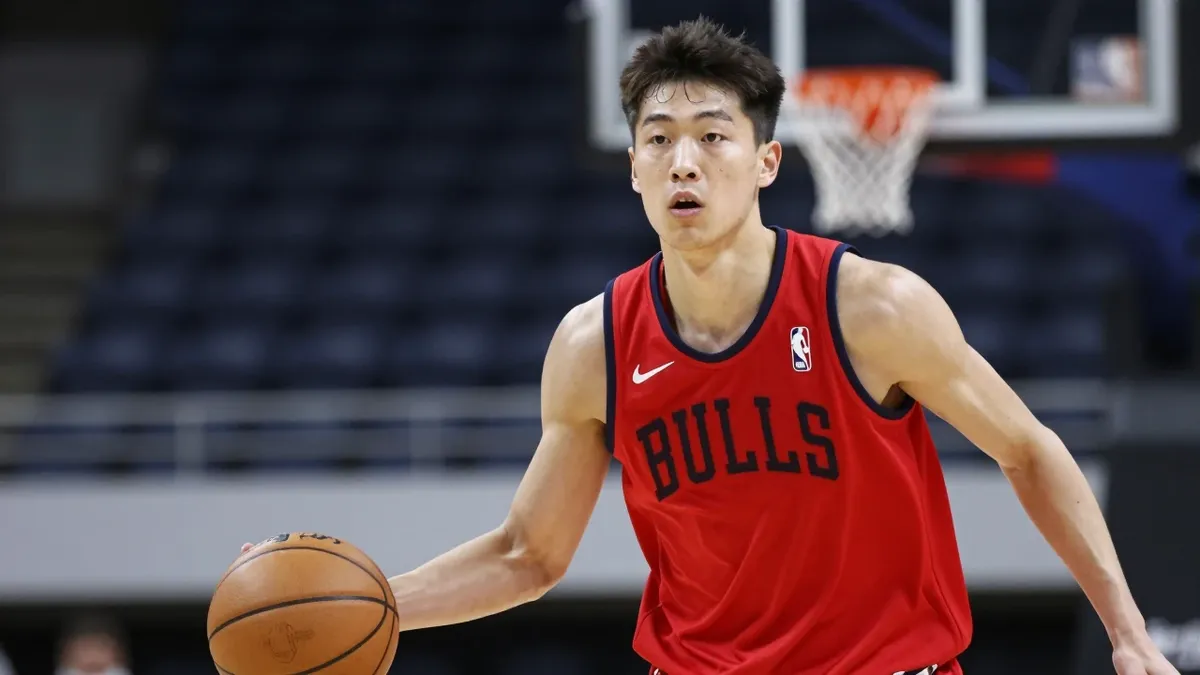
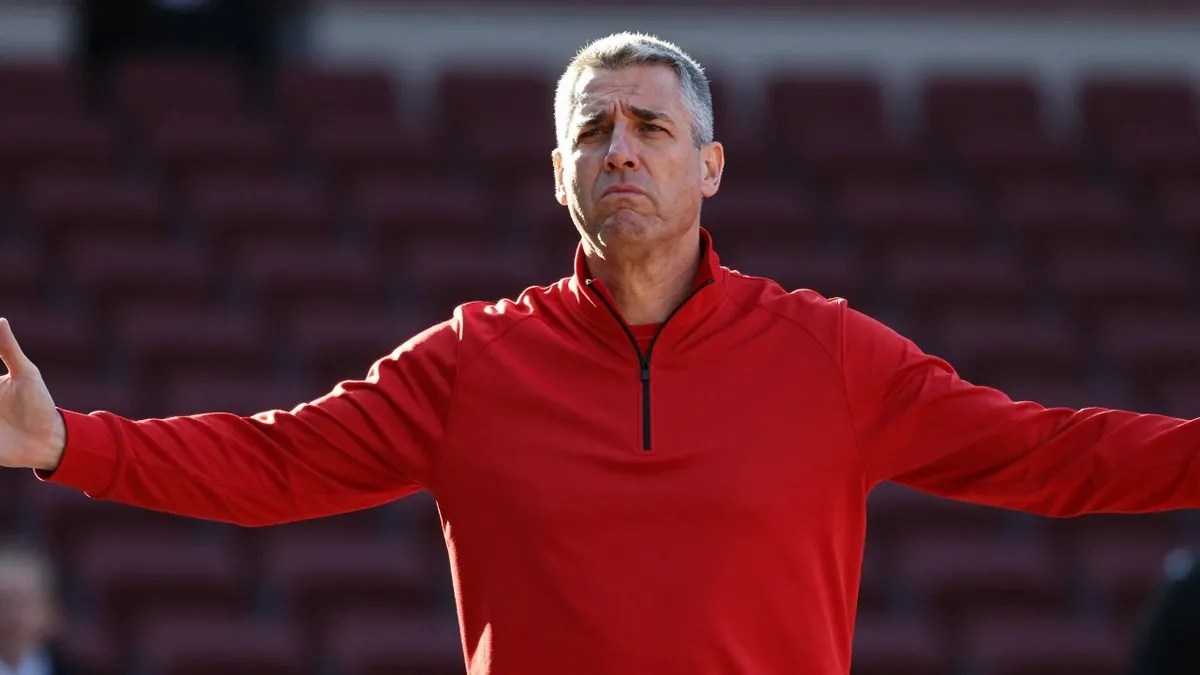
The Chicago Bulls' measured offseason strategy faces fresh questions following a pair of tough losses to end the regular season. New executive vice president Bryson Graham prioritized adding veterans like Norman Powell and Nic Claxton while drafting Matas Buzelis and Josh Giddey. But as training camp approaches, one potential misstep lingers.
Chicago entered the summer with significant salary cap space. They used it to secure veterans on trade-friendly deals, a move that pushes financial flexibility down the road. Graham's methodical rebuild focuses on development and evaluation for 2026-27. However, the team passed on opportunities to acquire established young role players via trade. Several were available for modest assets like second-round picks.
Players like Aaron Wiggins and Isaiah Joe, both 27, moved from Oklahoma City. Isaiah Stewart, 25, was dealt from Detroit. All three addressed clear Bulls needs: perimeter shooting and frontcourt depth. Wiggins and Joe are proven long-range threats. Stewart brings a defensive toughness that would fit the system new coach Tiago Splitter wants to install. Their absence leaves the roster leaning heavily on its veteran additions and unproven youth.
The final stretch of the season laid bare the team's inconsistencies.
This context makes the offseason's conservative approach more debatable. Adding a young, cost-controlled rotation piece could have provided stability during these evaluation phases. The Bulls' plan is long-term, but immediate roster holes can hinder development. Fans can track the team's progress and upcoming schedule on our schedule page.
Graham's first offseason was not flawed, but it may inform his next moves. The Powell and Claxton signings are not bad. They offer leadership and a competitive floor. Yet the missed chance to add a younger contributor like Stewart or Joe might be a lesson. For a team in evaluation mode, more data points in the form of young talent are always valuable.
The focus now shifts to internal growth. Buzelis and Giddey must develop quickly. The veterans need to lead and perhaps become trade assets later. The Bulls are committed to their patient path, but the recent losses and visible roster gaps suggest a slight shift in aggressiveness could be beneficial. The front office will likely be more active in the trade market looking ahead, using their future cap space and picks to find the right fits.