The Chicago Bulls are entering a critical preseason under new leadership, with the front office tasked with evaluating every player on the roster after a season that ended with a 149-128 loss to the Dallas Mavericks on April 13, 2026. General Manager Bryson Graham and Head Coach Tiago Splitter must now decide who fits the long-term vision, categorizing players as core pieces, trade assets, or those on the cusp.
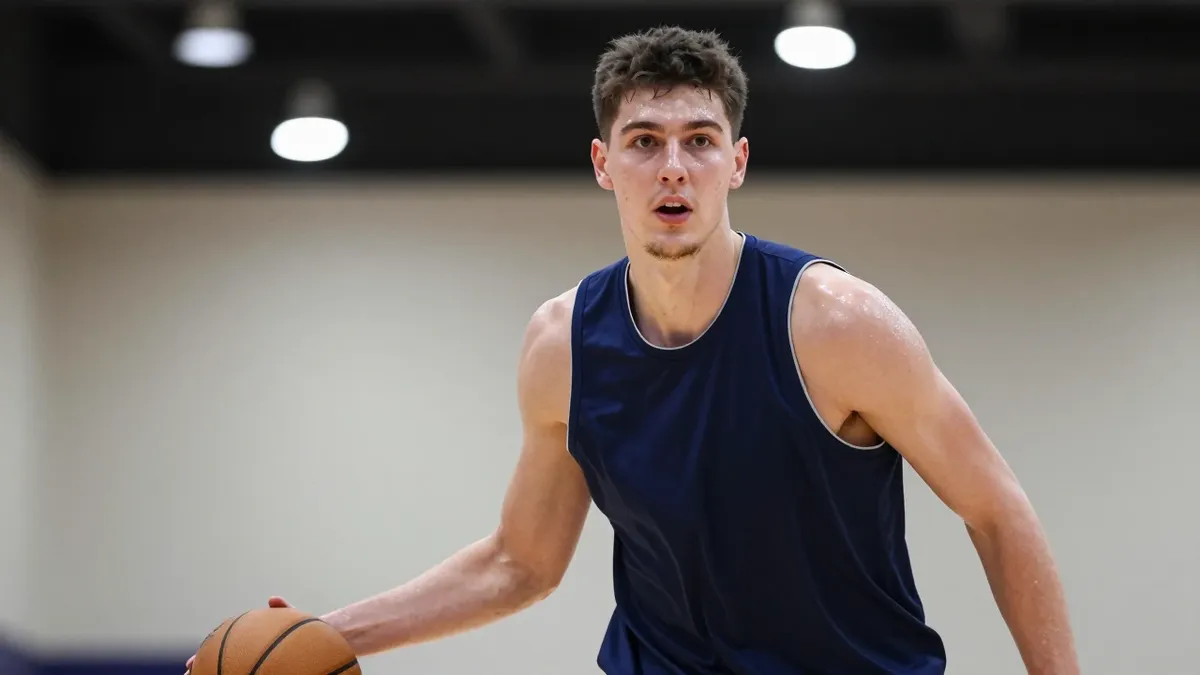
Caleb Wilson is the undeniable centerpiece. Graham landed a potential franchise cornerstone when the Bulls jumped up in the lottery to select him. Wilson impressed at Las Vegas Summer League, checking every box so far. He will be the team's top development priority and one of the best young assets in the entire NBA.
Dailyn Swain, the other first-round pick, had a rougher Summer League showing. But the front office still sees major upside in him as an isolation scorer and switchable defender. As the second hand-picked talent of this new regime, Swain remains a big part of the future plans.
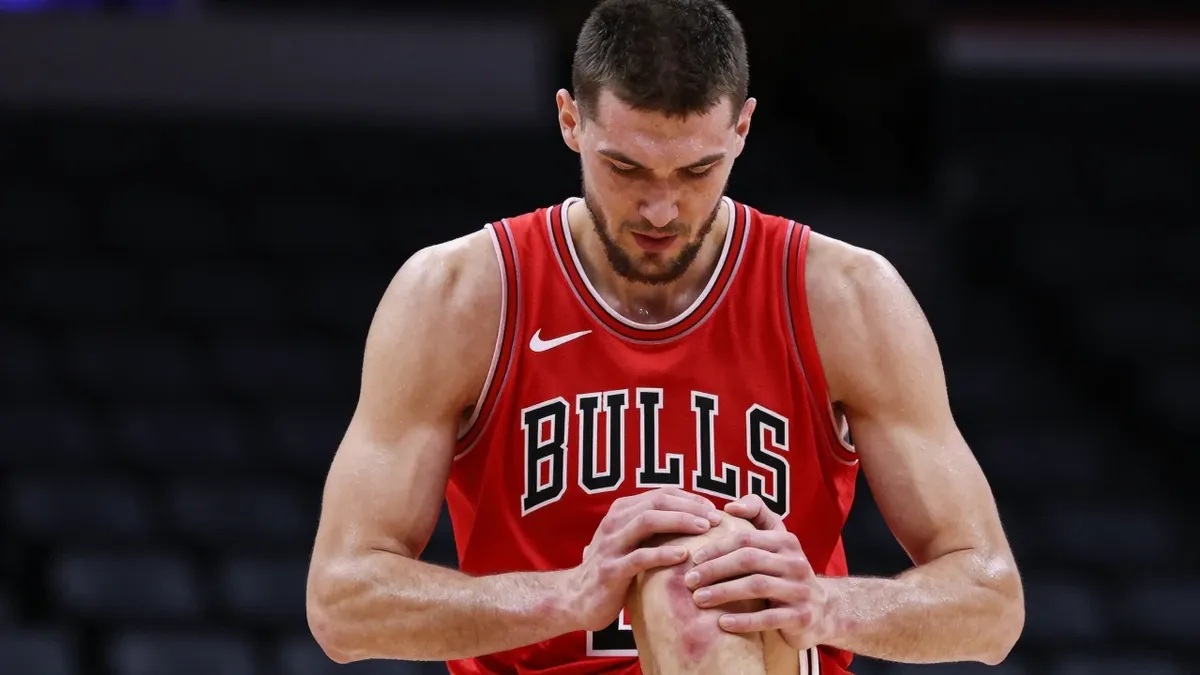
Matas Buzelis has shown steady growth. He nearly doubled his production in his second NBA season with more opportunity. At six-foot-ten, his fluid athleticism and two-way versatility make him a go-to offensive option. There is real belief he can form a dominant young wing combo with Wilson.
Josh Giddey's inclusion here comes with questions. His defensive limitations and lack of a high-volume three-point shot raise fit concerns next to the team's wings. But Giddey improved across the board last season. The Bulls will give him this season to prove he can be the primary setup man for this young core.
Nic Claxton represents a significant investment. The Bulls used a large chunk of cap space to bring him in on a two-year deal worth over $44 million. That contract suggests they hope he becomes more than a short-term solution. His rim protection and finishing will be vital, but he needs to show he can anchor the defense for years to come.
Several other veterans find themselves in a similar precarious position. Their futures depend entirely on how they perform and mesh with the young core during training camp and the early season. A poor start could quickly make them expendable as the front office continues to shape the roster.
The end of the 2025-26 season highlighted the roster's inconsistencies.
This mixed bag of results, including some heavy defeats, shows why this evaluation period is so important. The new leadership needs to identify who contributed to the wins and who was part of the problem during the losses. You can review the full schedule and results on our schedule page.
Training camp is the starting point. Graham and Splitter must begin establishing a new identity and culture from day one. Every drill, every scrimmage will be an audition. Players will be judged not only on talent, but on how they buy into the system and fit alongside the designated core.
Roster changes are inevitable. The front office holds several potential trade chips-veterans on expiring contracts or players who don't fit the timeline. Decisions on those players will likely come before the trade deadline, if not sooner. The goal is to build a cohesive unit that grows together.
The 2026-27 season may not come with playoff expectations. But the expectation for progress and clear development from Wilson, Buzelis, and Swain is immense. How Giddey and Claxton perform in their roles will also dictate the pace of this rebuild. It's a foundational year where the evaluation never stops.