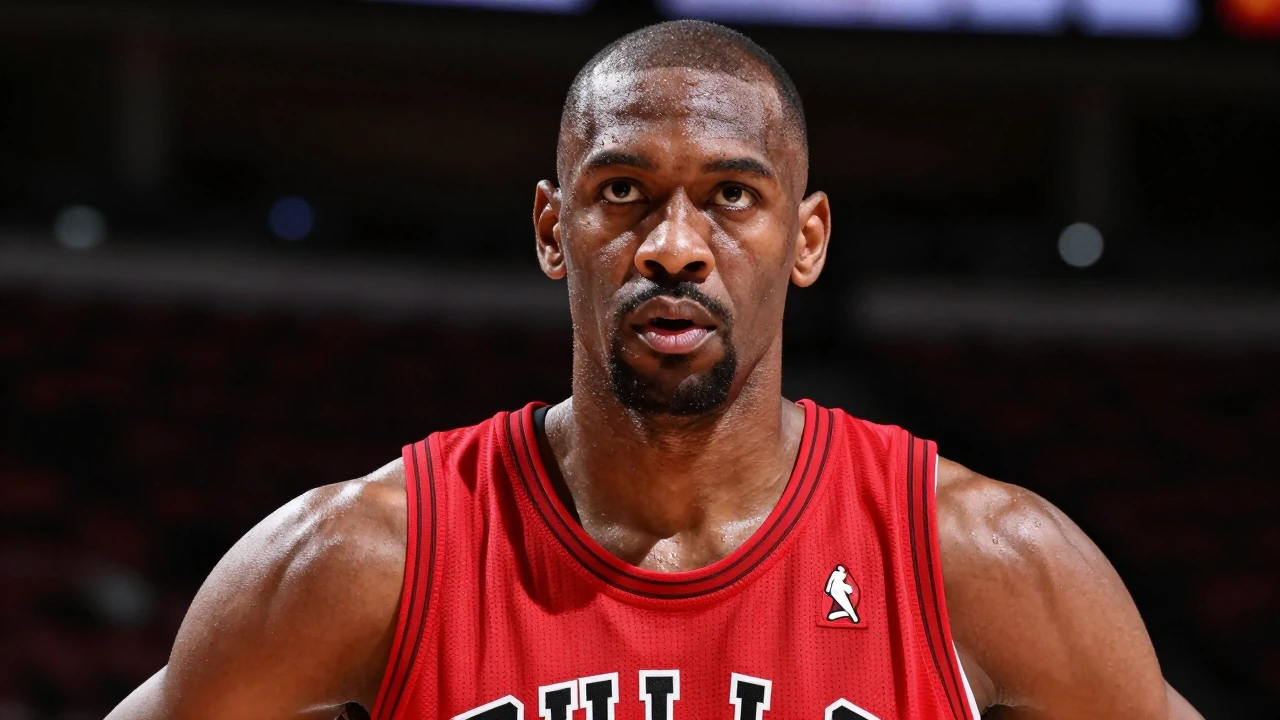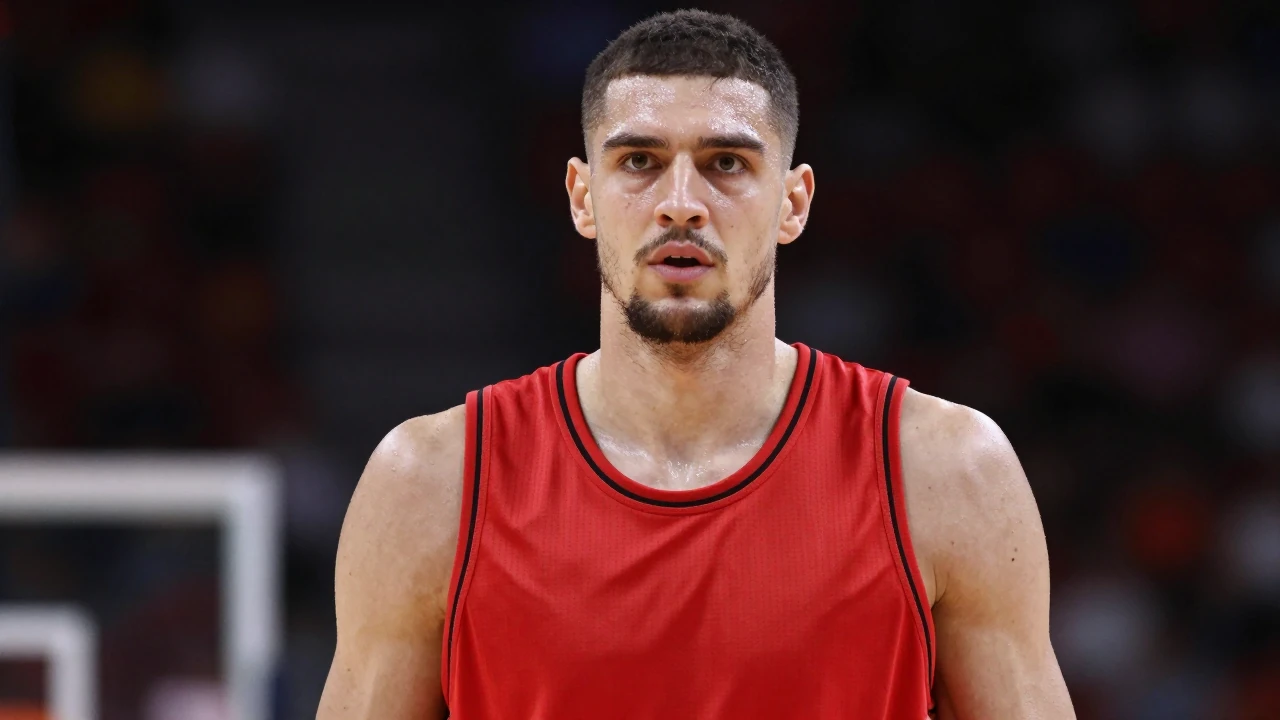

Chicago Bulls completed a four‑team trade on July 10, 2026, bringing 27‑year‑old center Nic Claxton from the Brooklyn Nets into a roster that just fell 149-128 to the Dallas Mavericks on April 13, 2026. The move lands the Bulls a defensive anchor while the club sits at a recent 1W‑0D‑4L stretch, having dropped its last four games.
What happened?
The Bulls announced the trade on X just hours before the first NBA Summer League game, posting a simple "Welcome to Chicago, Nic!" The deal involved the Nets, Charlotte Hornets and Minnesota Timberwolves. Charlotte collected draft picks, Naz Reid, Mo Gueye and the rights to Matteo Spagnolo. Minnesota received LaMelo Ball, Josh Green and the pick that became Isaiah Evans. Brooklyn took Julius Randle and the pick that became Joshua Jefferson. Chicago’s side of the bargain was straightforward: Nic Claxton arrived without additional assets.
Why it matters for the Chicago Bulls?
Claxton entered the league in 2019 as the 31st overall pick out of Georgia and has logged 380 games, starting 297 of them. He shoots 62.2% from the field and averaged 10.6 points, 7.6 rebounds and 1.6 blocks per contest. Last season in Brooklyn he posted 11.7 points, 6.9 rebounds and 3.7 assists over 69 games. Those numbers give the Bulls a proven rim protector and a reliable pick‑and‑roll partner for Zach LaVine and DeMar DeRozan. The contract runs four years at $97 million, with the 2026‑27 salary set at $23.3 million and dropping to $21 million the following year, fitting the team’s salary‑flex plan.
What’s next for the Chicago Bulls?
The Bulls head into the 2026‑27 season with a rebuilding outlook but a clear need for interior defense. Claxton’s presence should improve the paint‑side rating that contributed to the recent 1W‑0D‑4L slump. Coach Billy Donovan will likely integrate him into a rotation that emphasizes spacing for LaVine’s three‑point shooting and DeRozan’s mid‑range game. Expect the Bulls to test the new lineup in Summer League, then adjust before the regular season begins in October. If Claxton can sustain his 3.7‑assist average, the Bulls could see a more fluid pick‑and‑roll that eases the scoring burden on the perimeter.
How does this affect the Bulls’ future outlook?
Acquiring a player on a $97 million contract signals that Chicago is willing to spend on a cornerstone center. The move also gives the front office flexibility to move other contracts, as the trade cleared roster spots previously occupied by Mo Gueye and draft assets. With the Bulls still nursing a 1W‑0D‑4L run, the addition of a defensive stalwart may be the spark needed to turn the tide before the next playoff window. Fans will watch closely as Claxton steps onto the parquet for his first Bulls practice, hoping his block‑heavy style can translate into more wins.
The Bulls’ next challenge will be to blend Claxton’s interior game with the existing offensive firepower, a task that could define Chicago’s trajectory for the next two seasons.