In the annals of NBA history, few moments resonate as profoundly as the Chicago Bulls' dominance during the 1996 NBA Finals. This series not only epitomized the Bulls' prowess but also marked a transformative era in basketball, establishing a benchmark for excellence that remains unmatched. Led by the indomitable Michael Jordan, the Bulls faced off against the Seattle SuperSonics, showcasing a blend of skill, strategy, and sheer will that defined their championship run.
The 1995-96 season was a historic one for the Bulls, culminating in a regular-season record of 72-10, the best in NBA history at that time. This remarkable achievement set the stage for their Finals appearance, where they entered with an air of confidence that was palpable. The Finals kicked off at the United Center, where the atmosphere was electric, charged with the anticipation of a city rallying behind its team.
In Game 1, the Bulls established their dominance early, with a relentless defensive effort led by the likes of Scottie Pippen and Ron Harper. Pippen's versatility on both ends of the floor was on full display, as he contributed not only in scoring but also in facilitating the offense with key assists. The Bulls executed their classic pick and roll effectively, allowing Jordan to exploit mismatches and create open looks in the paint and from the perimeter. The combination of Jordan's scoring prowess and the Bulls' team defense set the tone for the series.
As the Finals progressed, the Bulls maintained their high level of play, showcasing a blend of offensive firepower and defensive discipline. Game 2 saw the Bulls continue to utilize their fast break effectively, capitalizing on turnovers and pushing the pace. Jordan's ability to create separation for his jump shots was complemented by the rebounding efforts of Dennis Rodman, who controlled the glass, often leading to second-chance points. The Bulls' FG% during this series reflected their efficiency as they consistently found high-percentage shots.
The series was a showcase of tactical brilliance, with Coach Phil Jackson's triangle offense putting immense pressure on the SuperSonics' defense. The Bulls' ability to execute in isolation situations allowed Jordan and Pippen to exploit their defenders one-on-one, leading to crucial baskets in pivotal moments. Moreover, the experience of the Bulls in high-pressure situations became evident as they navigated through the ups and downs of the Finals, responding decisively after each setback.
One of the most memorable performances came in Game 5, where Jordan delivered a masterful display, scoring 55 points and demonstrating why he was the league's premier player. His ability to perform under pressure was a testament to his mental fortitude and competitive spirit. The Bulls' victory in this game was a turning point, as they seized a commanding 3-2 series lead, putting them one win away from the championship.
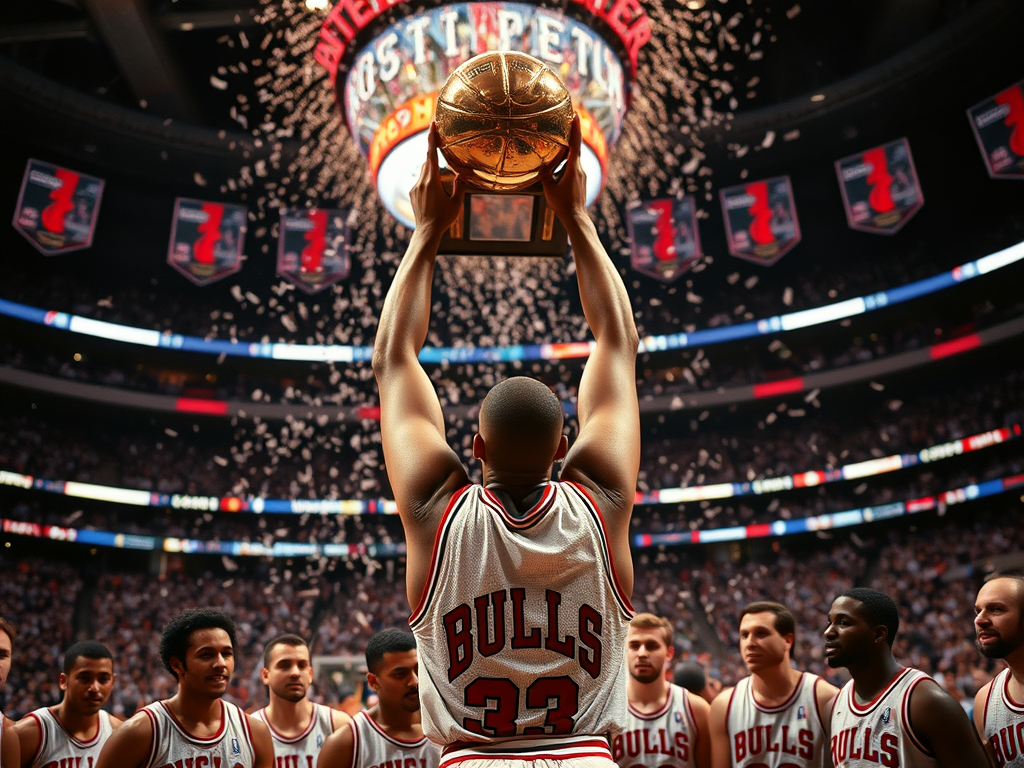
Ultimately, the Bulls secured the championship in Game 6, clinching their fourth title and solidifying their legacy as one of the greatest teams in NBA history. This victory was more than just a trophy; it represented the culmination of hard work, sacrifice, and a shared belief in each other. The 1996 NBA Finals was not just a series; it was a defining moment for Da Bulls, one that resonated throughout Chicago and established a dynasty that would dominate the league for years to come. The echoes of that championship continue to inspire future generations of players and fans alike, reminding everyone of the greatness that is Chicago Bulls basketball.